Bedbugs have become a notorious pest, invading homes and causing sleepless nights. These tiny insects, often mistaken for other pests, are not only a nuisance but can also lead to emotional distress for those affected. Understanding how to effectively exterminate bedbugs is crucial for maintaining a healthy living environment. In this article, we will explore various strategies, preventive measures, and the importance of professional help in dealing with these resilient pests.
Understanding Bedbugs: Biology and Behavior
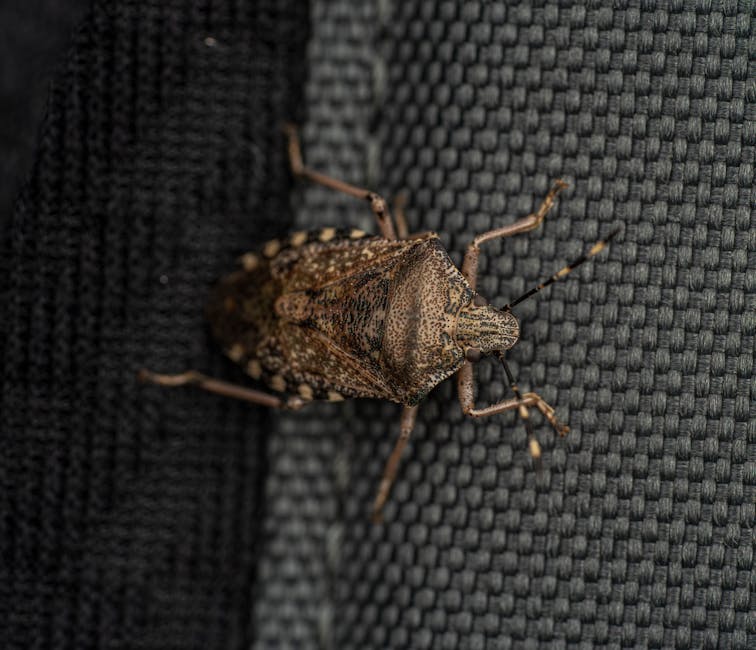
Before diving into extermination techniques, it’s important to understand the biology and behavior of bedbugs. Adult bedbugs are about the size of an apple seed and are reddish-brown in color. They are nocturnal, feeding on the blood of humans and animals during the night. Their ability to hide in small crevices makes them particularly hard to detect. Studies show that a single female bedbug can lay up to 500 eggs in her lifetime, leading to rapid infestations if not addressed promptly.
Bedbugs are highly resilient and can survive for several months without feeding. This characteristic makes them especially difficult to eliminate without a comprehensive approach to extermination. Understanding these traits is the first step in effectively managing a bedbug problem.
Signs of Bedbug Infestation
Identifying a bedbug infestation early is key to successful extermination. Common signs include small reddish-brown stains on bedding, tiny white eggs, and an unpleasant, musty odor. Additionally, bites on the skin, often in a line or cluster, can indicate their presence.
Regularly inspecting your living space, especially around mattresses, bed frames, and furniture seams, can help catch infestations early. If you notice any signs, it’s vital to take immediate action to prevent the problem from worsening.
DIY Bedbug Extermination Techniques
For those looking to tackle bedbugs on their own, there are several DIY methods that can be effective. Vacuuming your home thoroughly can remove bedbugs and their eggs. It’s crucial to dispose of the vacuum bag immediately to prevent reinfestation.
Another common method is to wash bedding and clothing in hot water and dry them on high heat. Bedbugs cannot survive temperatures above 120°F (49°C). Additionally, using mattress encasements can trap existing bedbugs and prevent new ones from entering.
While these methods can be helpful, they may not be sufficient for severe infestations. For more extensive issues, seeking professional help is often the best course of action.
Professional Bedbug Extermination Services
When DIY methods fall short, professional bedbug extermination services can provide the expertise and resources needed for effective eradication. These services typically utilize a combination of chemical treatments, heat treatments, and thorough inspections to eliminate bedbugs efficiently.
One of the most effective treatments is bed bug treatment using high temperatures. This method involves heating the infested area to a temperature that is lethal to bedbugs and their eggs. It is a chemical-free option that is safe for both humans and pets, making it an attractive choice for many.
In addition to extermination, professionals can offer valuable advice on preventing future infestations. This includes recommendations on how to properly inspect second-hand furniture and travel tips to avoid bringing bedbugs home.
Preventive Measures to Avoid Bedbug Infestations
Once bedbugs have been eradicated, taking preventive measures is essential to avoid a repeat infestation. Regular cleaning and inspection of your home can help catch potential problems early. When traveling, inspect hotel rooms thoroughly and keep your luggage off the floor.
Additionally, sealing cracks and crevices in walls and furniture can significantly reduce hiding spots for bedbugs. Educating yourself and your family about bedbug signs and prevention can empower you to maintain a bedbug-free home.
Conclusion: Taking Action Against Bedbugs
Bedbug extermination requires a proactive approach, combining understanding, DIY methods, and professional services when necessary. By recognizing the signs of infestation, using effective extermination techniques, and implementing preventive measures, you can reclaim your home from these unwanted pests. Whether you choose to tackle the problem yourself or call in the experts, the key is to act swiftly and decisively to ensure a bedbug-free environment.
About the Author