
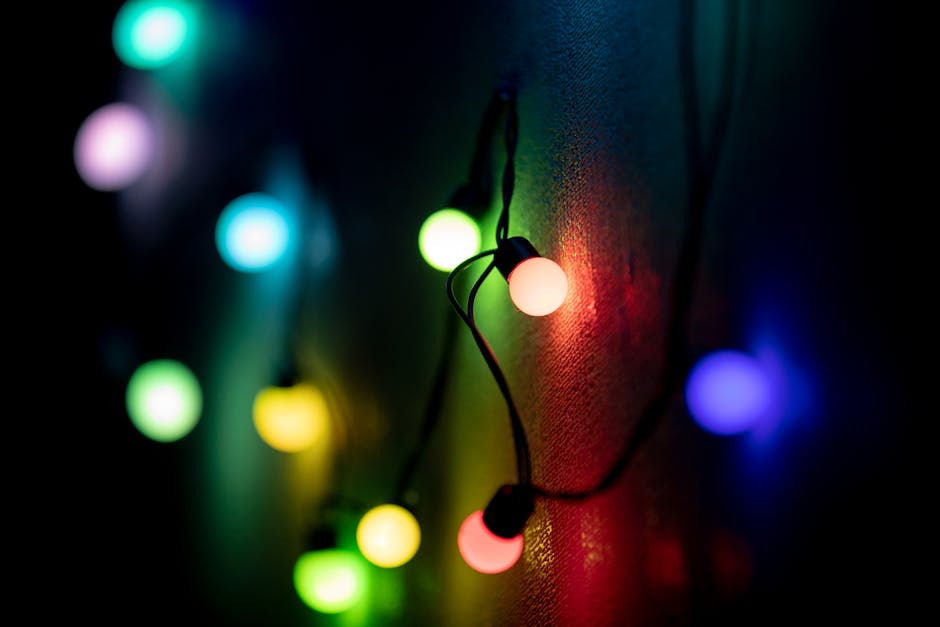
Light Emitting Diodes, commonly known as LEDs, have revolutionized the lighting industry over the past few decades. From their humble beginnings as indicator lights in electronics to their current prevalence in homes, offices, and public spaces, LEDs have significantly transformed how we illuminate our world. This article delves into the advancements in LED technology, the various applications across different sectors, and the environmental impact that makes them a preferable choice for modern lighting solutions.
Understanding LED Technology
LEDs are semiconductor devices that emit light when an electric current passes through them. Unlike traditional incandescent bulbs that produce light through heat, LEDs generate light through electroluminescence, which is a process that allows them to be more energy-efficient. To grasp the significance of this technology, we must consider the efficiency and lifespan of LEDs compared to traditional lighting methods.
For instance, a typical LED bulb uses about 75% less energy than incandescent bulbs and can last up to 25 times longer. This longevity and efficiency translate to substantial cost savings over time, making LEDs a smart investment for both residential and commercial users. The ongoing research and development in LED technology continue to enhance their performance and expand their applications.
Applications of LED Technology
The versatility of LEDs has led to their adoption in various fields, ranging from general lighting to specialized uses. In residential settings, LED lighting has become the standard for energy-efficient home design. Homeowners can find LEDs in various fixtures, from ceiling lights to decorative lamps, allowing for a range of styles and aesthetics.
In commercial applications, LEDs are widely used in retail environments, where they enhance product displays and create inviting atmospheres. Their ability to produce bright, vibrant colors without significant heat output makes them ideal for showcasing merchandise. Additionally, outdoor lighting solutions often incorporate LEDs for streetlights, architectural lighting, and landscape illumination, providing safety and security while reducing energy consumption.
Moreover, LEDs have found their place in the world of entertainment, particularly in stage lighting and displays. The use of benzi LED RGB strips in concerts and theatrical productions allows for dynamic lighting effects that can be synchronized with performances, enhancing the overall experience for audiences.
The Environmental Impact of LEDs
One of the most compelling reasons to adopt LED lighting is its positive environmental impact. The energy savings provided by LEDs contribute significantly to reducing greenhouse gas emissions. According to the U.S. Department of Energy, if all Americans switched to LED bulbs, the country would save about $30 billion annually in energy costs and prevent the equivalent of 40 million metric tons of carbon dioxide emissions.
Furthermore, LEDs do not contain harmful substances like mercury, which is present in some traditional lighting options, making them safer for both users and the environment. The durability of LEDs also means less frequent replacements, leading to reduced waste and lower demands on landfills.
The Future of LED Technology
As technology advances, the future of LEDs seems promising. Innovations such as smart lighting systems that can be controlled via smartphones or home automation systems are becoming increasingly popular. These systems not only allow users to adjust brightness and color temperature but also integrate with other smart home devices for enhanced functionality.
Additionally, research is ongoing into new materials and designs that could further improve the efficiency and output of LEDs. For instance, organic LEDs (OLEDs) and quantum dot LEDs are emerging technologies that promise even greater efficiency and color quality, opening up new possibilities for displays and lighting.
Conclusion
LED technology has undoubtedly changed the landscape of lighting, offering energy-efficient, long-lasting, and environmentally friendly solutions for various applications. From enhancing the ambiance in homes to lighting up our streets and stages, LEDs have proven their versatility and effectiveness. As innovations continue to emerge, we can anticipate even more exciting developments in the world of LED technology, solidifying its role as a cornerstone in sustainable lighting solutions.
About the Author