
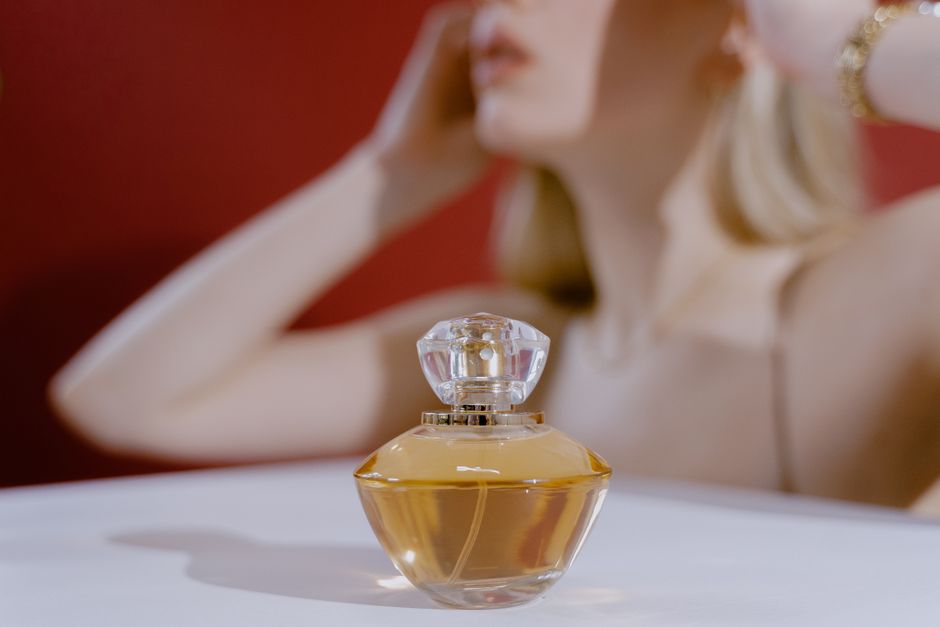
Perfume, an intricate blend of art and science, has captivated human senses for centuries. From the ancient Egyptians who used fragrant oils in their rituals to modern-day enthusiasts who explore the vast world of scents, the journey of perfume is nothing short of fascinating. In this article, we will delve into the history, composition, and cultural significance of perfume, while also providing practical insights on how to choose and wear fragrances.
A Brief History of Perfume
The history of perfume dates back to ancient civilizations, where it was primarily used for religious and ceremonial purposes. The Egyptians are often credited with the earliest use of perfumes, creating scented oils from natural ingredients such as flowers, spices, and resins. These early perfumes were believed to be sacred offerings to the gods.
As time progressed, the art of perfumery spread to the Greeks and Romans, who refined and popularized it. The use of perfume became a status symbol among the elite, and the demand for unique scents led to the establishment of the first perfumeries. Today, the global perfume industry is worth over $30 billion, reflecting its enduring popularity.
The Science Behind Fragrance
Perfume is a complex mixture of essential oils, aroma compounds, and solvents. The creation of a fragrance involves a deep understanding of chemistry and a keen artistic sensibility. Perfumes are typically categorized into different fragrance families, such as floral, woody, oriental, and fresh, each evoking distinct emotions and memories.
One of the critical aspects of perfume-making is the balance of notes. Fragrances are composed of top, middle, and base notes, which unfold over time. The top notes provide the initial impression, while the middle notes form the heart of the fragrance, and the base notes contribute to its lasting impression. This intricate layering is what makes perfume an art form, as it requires a delicate balance to create a harmonious scent.
Choosing the Right Perfume
When it comes to selecting a perfume, personal preference plays a significant role. However, understanding your skin type and the fragrance families can help narrow down choices. For instance, individuals with oily skin may find that fragrances last longer on their skin, while those with dry skin might need to reapply more frequently.
Additionally, one must consider the occasion when choosing a fragrance. Lighter, fresher scents are often preferred for daytime wear, while richer, more intense fragrances suit evening events. For those looking for refined and luxurious options, brands like Maison Francis Kurkdjian (MFK) offer exquisite choices that cater to various preferences.
The Cultural Significance of Perfume
Perfume is not just about scent; it carries cultural and emotional significance across different societies. In many cultures, certain fragrances are associated with rituals, celebrations, and even personal identity. For example, jasmine is revered in many Asian cultures for its soothing properties and is often used in religious ceremonies.
Moreover, perfume can evoke powerful memories and emotions. The olfactory system is closely linked to the brain’s limbic system, which governs emotions and memories. This connection explains why a particular scent can transport us back to a specific moment in time, making perfume a deeply personal experience.
Conclusion: The Enduring Allure of Perfume
In conclusion, perfume is a captivating blend of history, science, and art. Its significance transcends mere scent, serving as a cultural marker and a personal expression of identity. As the perfume industry continues to evolve, the exploration of new ingredients and innovative techniques will undoubtedly keep the allure of fragrance alive for generations to come. Whether you are a seasoned fragrance enthusiast or a casual wearer, understanding the world of perfume enriches the experience and appreciation of this timeless art.
About the Author